
The hard work of making a great independent movie is just step one. Step two, getting it seen, can be even tougher. The world of Indie Film Distribution is constantly changing. It’s a challenging, high-stakes game.
Even the most brilliant, high-quality film can easily vanish without a smart, modern distribution strategy. This process determines where, when, and how your movie reaches the audience. It involves making tough choices between traditional paths and new digital routes.
We’ll break down the major avenues available today. You’ll need to understand each option to maximize your movie’s potential. Let’s explore the key players and platforms that define how independent films find their home.

The Traditional Gateway: Film Festivals
Film festivals remain the classic starting point for most independent films. They are much more than just a place to screen your work. They are the ultimate marketplace.
A top-tier festival like Sundance or Toronto offers immediate visibility. It’s where distributors, sales agents, and critics gather. Securing a premiere at one of these major events provides two key things. First, it gives you crucial marketing buzz. Second, it’s often the place where the first distribution deal is struck. A successful festival run is essential for getting noticed in the crowded Indie Film Distribution field.
However, festival acceptance is incredibly competitive. Even if you get in, negotiating a favorable deal requires patience and expertise. The festival circuit starts the process, but it rarely finishes it.

The Digital Revolution: Streaming and VOD
The rise of streaming platforms fundamentally reshaped how independent movies find an audience. Companies like Netflix, Amazon Prime, and Hulu offer massive global reach that traditional methods simply can’t match.
These platforms provide immense accessibility. A single deal can put an indie film in front of millions of potential viewers overnight. This digital path often includes VOD (Video On Demand) services too. VOD allows audiences to rent or buy the film directly. This gives filmmakers and distributors more direct control over release timing and revenue.
But this digital space isn’t without its challenges. The market is incredibly saturated. Getting noticed on a giant streaming platforms catalog can be difficult. Films can quickly become lost in the sheer volume of content. This shift means marketing budgets are now focused on digital discovery, not just print ads.

The Niche Approach: Theatrical Release and Awards
While digital is dominant, the theatrical release still holds significant cultural value for independent films.
Why bother with theaters when streaming is so easy? The answer is prestige. A limited theatrical release is often required to qualify for major awards like the Oscars. This brief cinema run is important for critics and for building word-of-mouth credibility. Even a small cinema run in key cities like New York and Los Angeles can secure the necessary exposure to validate a film’s quality.
For many independent projects, the theatrical run is symbolic. It’s about earning respect, not massive box office returns. This critical acclaim can then be used to market the film when it eventually moves to streaming platforms or VOD, boosting its perceived value. This dual approach is common in modern Indie Film Distribution.
Distribution: A Masterclass in the Business of Film
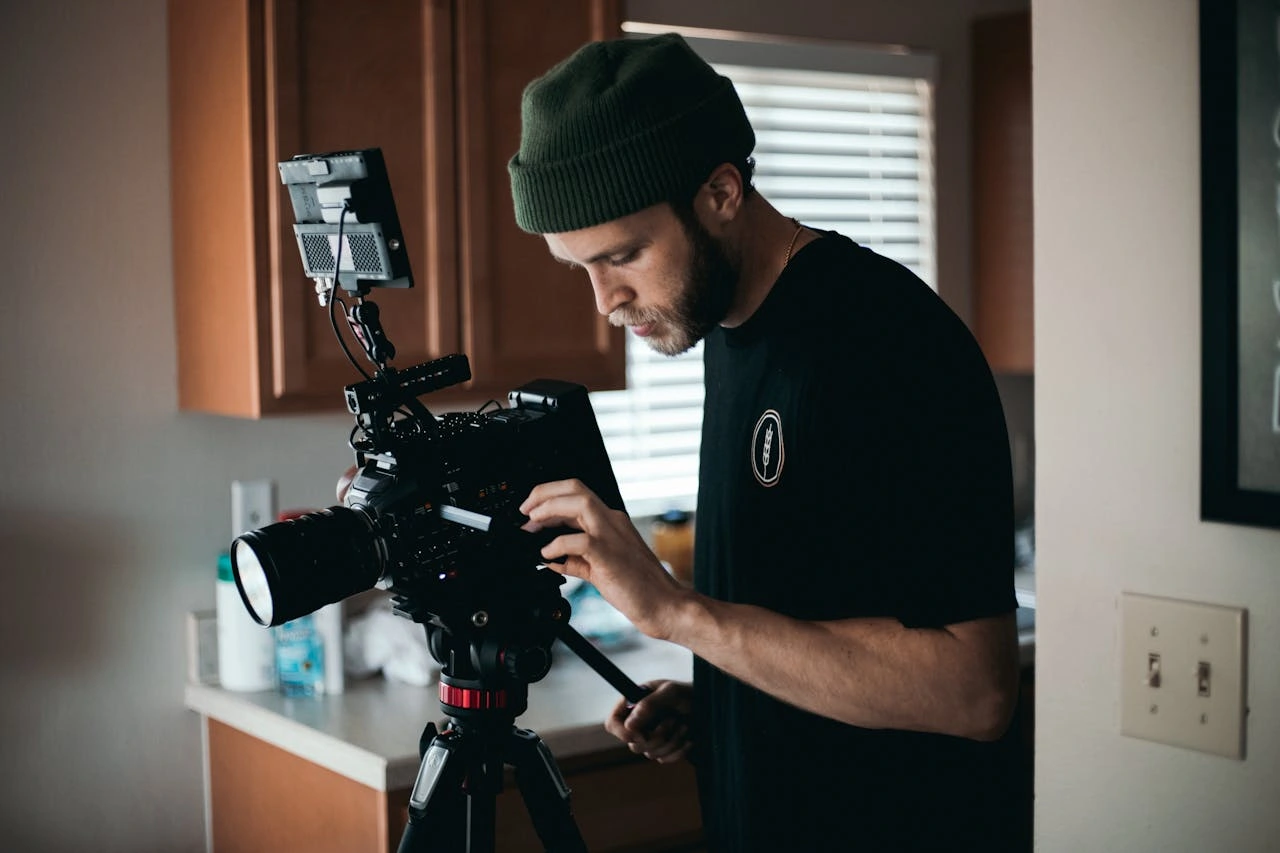
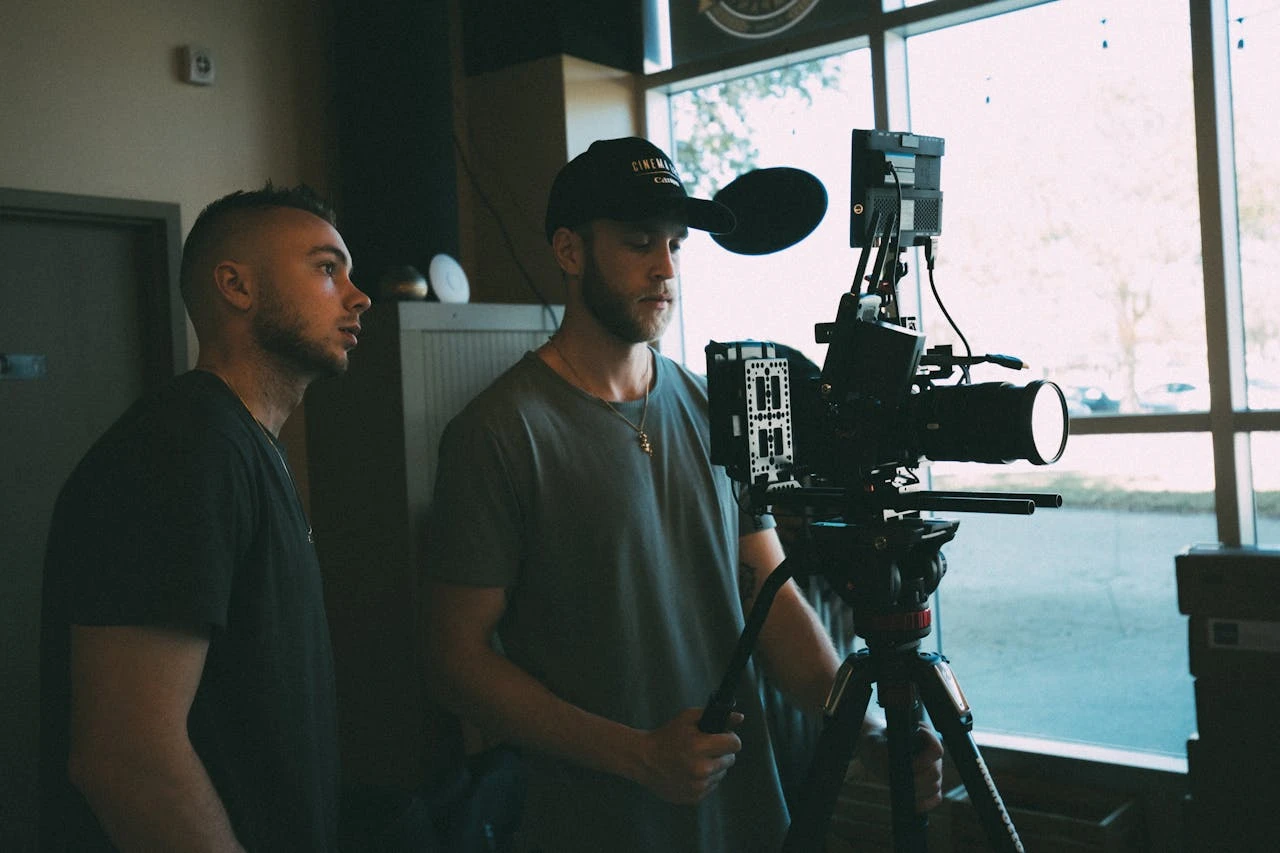
For any aspiring director or producer, managing Indie Film Distribution is arguably the toughest part of the process. This phase is an essential educational moment. It’s where you truly learn the craft of the business side of cinema.
No film school can fully prepare you for the intense reality of selling your movie. You quickly learn about contract law, audience segmentation, and market saturation. Filmmakers are forced to develop their own scrappy marketing strategies. They must figure out how to stand out without a massive budget.
This direct interaction with the market is invaluable. It’s the ultimate test of how your unique voice is perceived by critics, distributors, and general audiences. This feedback loop helps you understand what works and what doesn’t. This hands-on, high-pressure experience makes the learning curve steep but incredibly rewarding. It ensures that the next project is smarter, more focused, and better positioned for success.
The Financial Reality: Revenue and Risk
The financial side of Indie Film Distribution is often complex and harsh. It’s vital to understand the models involved for accurate film budgeting.
Most distribution agreements rely on revenue sharing. This means the distributor takes a significant percentage of any money earned, and the rest goes back to the filmmakers. It can take a long time before the creative team sees any profit, even if the movie is critically acclaimed.
Only a small, select group of films receives a minimum guarantee. This is an upfront payment from the distributor to the filmmaker for the distribution rights. It’s a huge win, as it covers initial costs and reduces the financial risk. However, it’s rare. For the majority of independent movies, there’s no such guarantee. The success of the film hinges entirely on its box office performance or its appeal on streaming platforms.
Understanding this balance between risk and potential reward is key to the entire Indie Film Distribution process.
Conclusion: The Continuous Evolution
The process of Indie Film Distribution is a dynamic one. Filmmakers must be agile. They need to balance the traditional fanfare of film festivals with the widespread reach of streaming platforms. The focus is always on connecting a powerful, unique voice to a willing audience. The best approach today is rarely just one path; it’s a tailored combination of all of them. These platforms that Do my powerpoint presentation Essaypro provide professionally written essays that follow academic rules, match specific instructions, and maintain full originality. With experienced academic writers where you can order your dissertation online, these services produce essays that demonstrate clarity, depth, and subject accuracy.